
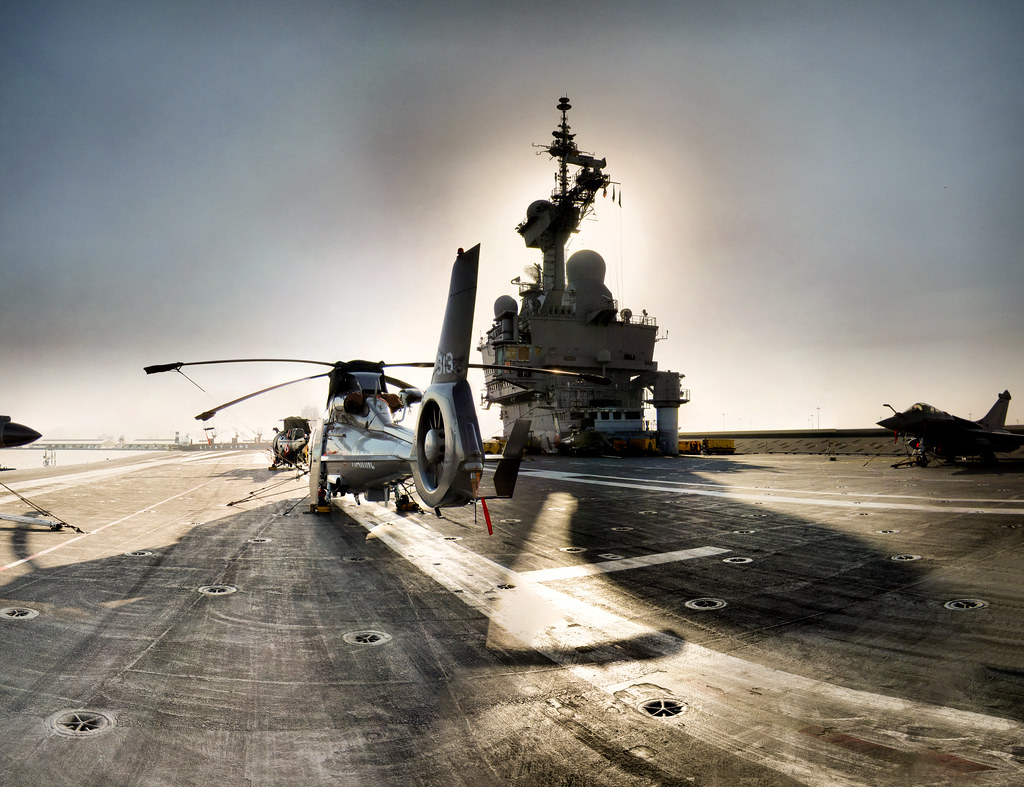
Rafale Marine Fighter has made history with its first-ever landing on INS Vikrant. This milestone marks a significant achievement in India’s indigenous aircraft capabilities.
Introduction to INS Vikrant
INS Vikrant, India’s first indigenous aircraft carrier, has marked a significant milestone in naval aviation history. Recently, the Rafale Marine Fighter successfully completed its first landing on the carrier, showcasing the country’s growing capabilities in defense technology. This achievement highlights the strategic importance of the Vikrant in enhancing India’s maritime power.
The INS Vikrant is equipped with state-of-the-art technology and designed to operate various aircraft, including the Rafale Marine Fighter. Its successful integration into the Indian Navy symbolizes a new era for India’s naval operations.
Key features of INS Vikrant include:
- Advanced flight deck for efficient aircraft operations
- Stealth characteristics to reduce radar cross-section
- Enhanced operational range and payload capacity
With the Rafale Marine Fighter aboard, the Vikrant is poised to strengthen India’s defense readiness.
Significance of Rafale Marine Fighter
The successful landing of the Rafale Marine Fighter on the INS Vikrant marks a significant milestone in India’s naval aviation capabilities. This aircraft demonstrates advanced technology and versatility, enhancing the operational effectiveness of the Indian Navy.
The significance of the Rafale Marine Fighter can be summarized as follows:
- Indigenous Development: The integration of the Rafale Marine Fighter into India’s fleet showcases the nation’s commitment to self-reliance in defense.
- Enhanced Capability: With superior combat capabilities, the Rafale Marine Fighter strengthens India’s maritime security and deterrence posture.
- Strategic Alliances: The acquisition of this fighter jet solidifies India’s partnerships with France, fostering deeper military cooperation.
This achievement not only highlights India’s technological advancements but also reflects its growing influence on the global defense stage.
Historical Context of Naval Aviation in India
The evolution of naval aviation in India has been marked by significant milestones, with the introduction of advanced aircraft playing a crucial role. The Rafale Marine Fighter stands out as a game-changer in this domain, showcasing India’s commitment to enhancing its maritime capabilities. Historically, the Navy relied on various aircraft types, but the necessity for modern, multi-role fighters became apparent as regional threats intensified.
INS Vikrant, India’s first indigenous aircraft carrier, has further underscored the importance of a strong naval air capability. The successful landing of the Rafale Marine Fighter on this carrier not only reflects technological advancements but also highlights the strategic foresight in India’s defense planning. With these developments, India is poised to strengthen its naval power and secure its interests in the vast maritime domain.
Technological Innovations in INS Vikrant
The INS Vikrant, India’s first indigenous aircraft carrier, has showcased remarkable technological innovations that enhance its operational capabilities. One of the standout features is its advanced flight deck, designed for seamless operations with the Rafale Marine Fighter. This carrier is equipped with a state-of-the-art landing system, allowing for precise landings under various weather conditions.
Additionally, the integration of cutting-edge radar and communication systems ensures superior situational awareness and tactical advantage. The carrier’s propulsion system, which combines speed with agility, allows it to operate effectively in diverse maritime environments. Furthermore, the onboard facilities for maintenance and support of the Rafale Marine Fighter enable quick turnaround times, significantly enhancing mission readiness.
These innovations reflect India’s commitment to advancing its naval capabilities and ensuring that the INS Vikrant remains a formidable presence in the region.
Reactions from Military Experts
Military experts have expressed strong approval regarding the successful landing of the Rafale Marine Fighter on INS Vikrant, marking a significant milestone in India’s naval aviation. Admiral R. K. Dhowan emphasized that this achievement showcases India’s growing capabilities in indigenous aircraft technology. He noted that the Rafale Marine Fighter’s advanced avionics and combat systems will enhance operational readiness and efficacy.
Furthermore, Dr. Neha Sharma, a defense analyst, highlighted the strategic advantages that come with integrating such a sophisticated fighter into the naval fleet. She stated, “The Rafale Marine Fighter is not just a technological marvel but also a game changer for maritime security in the region.”
Experts agree that the successful integration of the Rafale Marine Fighter will bolster India’s defense posture, reinforcing its commitment to maritime dominance in the Indo-Pacific region.
Future of Indian Naval Aviation
The future of Indian naval aviation looks promising, particularly with the successful integration of the Rafale Marine Fighter into the Indian Navy’s fleet. As the nation seeks to enhance its maritime capabilities, this advanced fighter jet is poised to play a critical role in strengthening India’s defense posture in the Indian Ocean region.
With the recent successful landing of the Rafale Marine Fighter on the indigenous aircraft carrier INS Vikrant, the potential for future operations becomes even more evident. This achievement not only showcases India’s growing self-reliance in defense technology but also highlights the strategic importance of modern naval aviation.
Experts suggest that the continued investment in naval aviation, including platforms like the Rafale Marine Fighter, will be essential for ensuring national security and maintaining regional stability, paving the way for a robust maritime force in the years to come.
Comparative Analysis with Global Fighters
The Rafale Marine Fighter has established itself as a formidable contender in the global arena of naval aviation. When compared to other leading fighters, several key factors highlight its advantages:
- Versatility: The Rafale Marine Fighter excels in multiple roles, from air superiority to ground attack, demonstrating adaptability in various combat scenarios.
- Advanced Technology: Equipped with cutting-edge avionics and weaponry, the Rafale’s integration with INS Vikrant enhances operational effectiveness.
- Proven Track Record: With successful missions across various theaters, the Rafale Marine Fighter’s reliability has been tested in real-world conditions.
- Stealth Capabilities: Its design minimizes radar cross-section, ensuring better survivability against advanced enemy systems.
These characteristics position the Rafale Marine Fighter as not only a vital asset for India but also a key player on the global stage, influencing naval strategies worldwide.
Conclusion and Future Prospects
As the Rafale Marine Fighter continues to demonstrate its capabilities aboard the INS Vikrant, the future of Indian naval aviation looks promising. The successful landing of the Rafale on India’s indigenous aircraft carrier marks a significant milestone, reinforcing the importance of advanced technology in enhancing naval power.
The integration of the Rafale Marine Fighter into the Indian Navy not only boosts operational efficiency but also strengthens India’s position in regional security dynamics. With ongoing advancements in naval aviation, India aims to develop a robust fleet capable of addressing emerging threats.
Looking ahead, the Indian Navy is expected to expand its aerial capabilities further. Continuous upgrades and training will ensure that the Rafale Marine Fighter remains at the forefront of naval warfare, solidifying its role as a key asset in India’s maritime strategy.
By Panoramas via Openverse
Where this came from
Related reading
