
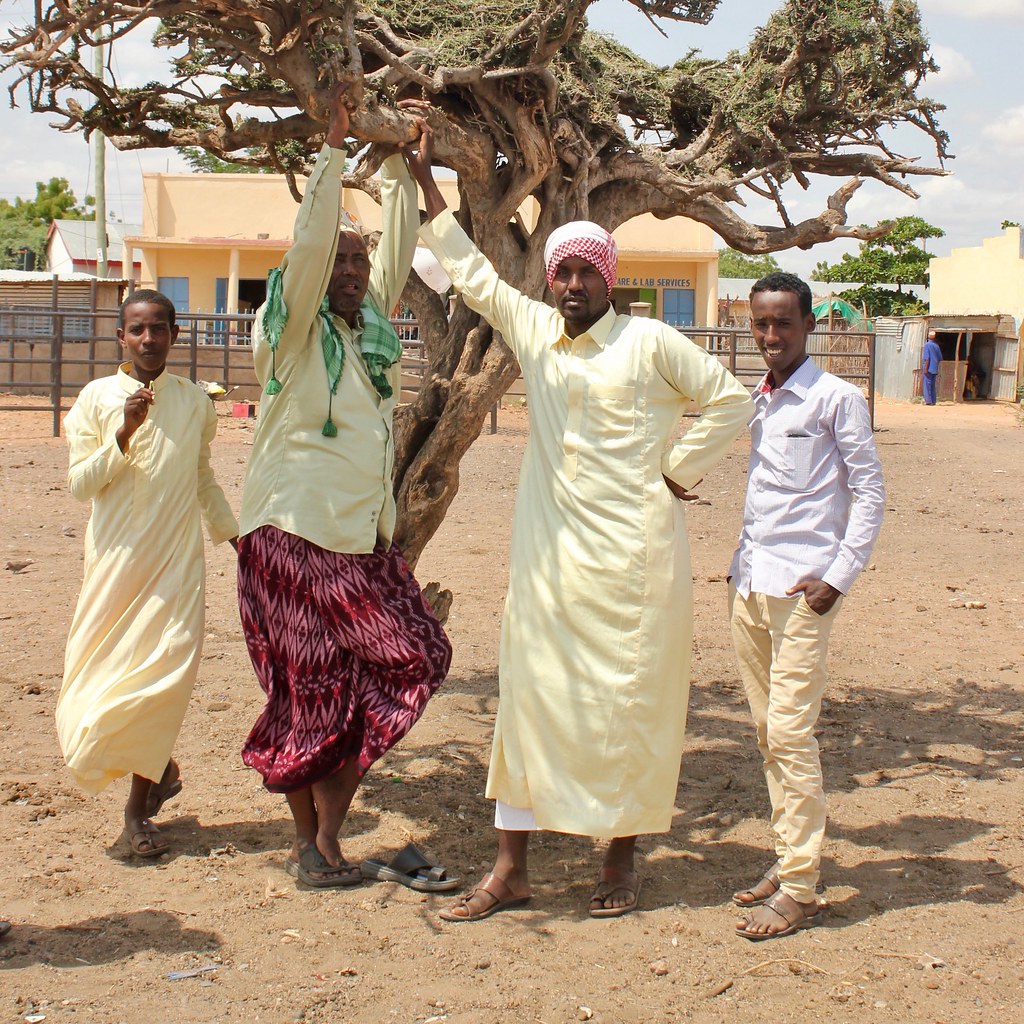
Muslim cattle traders are increasingly becoming targets of violence in India, with reports of them being tied and beaten by Hindu extremists. This alarming trend highlights the growing tensions and risks faced by these communities.
Overview of the Incident
Recent incidents in India have raised alarming concerns regarding the safety of Muslim cattle traders, particularly in regions where communal tensions have escalated. Multiple reports indicate that groups of Hindu extremists have targeted these traders, leading to violent confrontations that have left many injured and traumatized.
Eyewitness accounts describe harrowing scenes where traders were allegedly tied up and subjected to severe beatings. These incidents are not isolated; they reflect a broader pattern of hostility that has been directed towards the Muslim community, especially those involved in the cattle trade.
Many of the affected individuals have voiced their fears over the increasing hostility, stating that they feel unsafe conducting their business. The violence has not only resulted in physical injuries but has also instilled a deep sense of insecurity among Muslim cattle traders and their families.
As the situation continues to unfold, advocates for human rights are calling for immediate action to protect these traders and ensure their safety in a landscape marked by rising communal tensions.
Background on Cattle Trading in India
Cattle trading has a long and complex history in India, deeply intertwined with cultural, religious, and economic factors. It is a significant source of livelihood for many, including Muslim cattle traders, who have traditionally engaged in this trade across various regions. The practice, however, has become increasingly contentious, particularly in recent years, as communal tensions have escalated.
The rise of vigilante groups claiming to protect cows, which are considered sacred in Hinduism, has led to a surge in violence against those involved in cattle trading, especially Muslim traders. This situation has been exacerbated by political narratives that frame cattle trade as a communal issue, often portraying Muslim traders in a negative light.
As a result, many Muslim cattle traders face heightened risks, leading to a climate of fear and uncertainty. The trade, once a source of income and community connection, has become fraught with danger, forcing many to reconsider their involvement. The ongoing violence not only threatens their livelihoods but also underscores the broader societal divisions that challenge India’s pluralistic fabric.
The Rise of Extremism
The rise of extremism in India has increasingly put Muslim cattle traders at risk. Reports indicate a growing trend of violence against these traders, often fueled by religious tensions and the politicization of beef consumption. Extremist groups have taken it upon themselves to enforce their beliefs, leading to brutal attacks on those involved in cattle trading.
In recent years, there have been numerous incidents where Muslim cattle traders were targeted, facing not only physical violence but also threats to their livelihoods. The following factors contribute to this alarming situation:
- Religious Polarization: The societal divide between communities has widened, leading to increased animosity towards Muslim traders.
- Political Climate: Certain political factions have exploited these tensions for electoral gains, emboldening extremist behavior.
- Legal Restrictions: Stricter laws governing cattle trade often disproportionately affect Muslim communities, resulting in economic vulnerability.
The combination of these elements has created an environment where Muslim cattle traders live in constant fear of violence, making their daily activities increasingly perilous.
Impact on Muslim Communities
The recent incidents of violence against Muslim cattle traders have had a profound impact on the communities involved. Many families are now living in a state of fear, worried about their safety and the safety of their livelihoods. The traditional practice of cattle trading, which has been a source of income for generations, is now viewed with suspicion and hostility.
Reports indicate that the violence has led to:
- Increased Displacement: Numerous families have abandoned their homes to escape the harassment and threats from extremist groups.
- Economic Hardship: As markets become unsafe, many traders are unable to sell their cattle, leading to financial instability.
- Social Stigmatization: The targeted violence has created a divide within communities, fostering an environment of distrust and fear among neighbors.
The ripple effects of these attacks extend beyond immediate victims, affecting community cohesion and contributing to a climate of intolerance. As violence escalates, the future of Muslim cattle traders in India hangs in the balance, raising urgent questions about safety and communal harmony.
Government Response
The response from the government regarding the violence faced by Muslim cattle traders has been met with mixed reactions. Critics argue that the authorities have not done enough to protect these communities, who are increasingly becoming targets of extremist groups.
In recent statements, government officials have emphasized their commitment to law and order, asserting that violence against any community will not be tolerated. However, many believe these assurances lack substance, especially in light of the frequency and severity of the attacks.
Several state governments have initiated inquiries into specific incidents involving Muslim cattle traders, but reports of violence continue to surface. Activists claim that these measures are often superficial and fail to address the root causes of the problem.
Moreover, there have been calls for the implementation of stronger protections for minority communities engaged in cattle trading. Some organizations are advocating for legislation that would specifically safeguard Muslim cattle traders against violence and discrimination.
- Increased police presence in known conflict zones
- Establishment of task forces to investigate hate crimes
- Community engagement programs to foster dialogue
International Reactions
International reactions to the violence faced by Muslim cattle traders in India have been mixed, with some world leaders and organizations expressing deep concern. Human rights advocates have condemned the attacks, calling them a violation of basic human rights and an affront to religious freedom.
- United Nations: The UN has urged the Indian government to take immediate action to ensure the safety of minority communities, including Muslim cattle traders, who have been increasingly targeted.
- European Union: Officials from the EU have raised alarms about the rise of religious intolerance in India, emphasizing the need for protective measures for vulnerable groups.
- International NGOs: Various non-governmental organizations have launched campaigns to raise awareness about the plight of Muslim cattle traders and are calling for international intervention.
Despite these reactions, some critics argue that the Indian government has not done enough to address the root causes of the violence. The ongoing situation reflects broader issues of communal tensions and the need for dialogue among different religious communities to foster peace and understanding.
Voices from the Ground
In recent weeks, numerous reports have emerged detailing the harrowing experiences of Muslim cattle traders across various states in India. Eyewitnesses recounted chilling incidents where traders were ambushed, tied up, and physically assaulted by groups claiming to uphold religious nationalism. One trader, who requested anonymity, described the night of the attack: “They came out of nowhere, shouting slogans and accusing us of illegal trading. We were terrified.”
Local communities are divided, with some condemning the violence while others remain silent, fearing repercussions. A resident from the affected area stated, “It’s not just about cattle; it’s about our way of life. We’ve always coexisted, but now there’s a cloud of fear.”
Support networks for Muslim cattle traders are struggling to cope with the rising tide of hostility. Many traders have expressed feelings of abandonment, stating that they no longer feel secure in their livelihoods. “We are just trying to make a living,” lamented another trader, emphasizing the urgency of addressing the growing violence and discrimination.
As tensions escalate, the future of both the traders and their communities hangs in the balance.
Future Implications
The recent violence against Muslim cattle traders raises serious concerns about the future of inter-community relations in India. As tensions escalate, the ramifications for these traders may extend beyond immediate physical threats. Many fear that ongoing violence could lead to a significant decrease in their livelihood opportunities, forcing them to abandon their traditional trade.
As community members face heightened scrutiny and hostility, Muslim cattle traders may find it increasingly difficult to engage in commerce without fear. This situation could lead to a larger economic impact, with potential ripple effects on local markets and supply chains.
Furthermore, if these incidents continue without adequate government intervention, it may foster an environment of impunity, emboldening extremist groups to act with greater aggression. The societal implications are troubling; as divisions deepen, the potential for communal clashes increases, threatening the social fabric of diverse regions in India.
Ultimately, the future of Muslim cattle traders hinges not only on the legal and political responses to this violence but also on the broader societal commitment to coexistence and respect for all communities.
By Nagarjun via Openverse
References
You might also like
Alaska Senate race: Governor Orders Controversial Probe · Power Grid Emergency: Worst Impact on 13 States Revealed · Gold price in India: What are the best rates today?
