
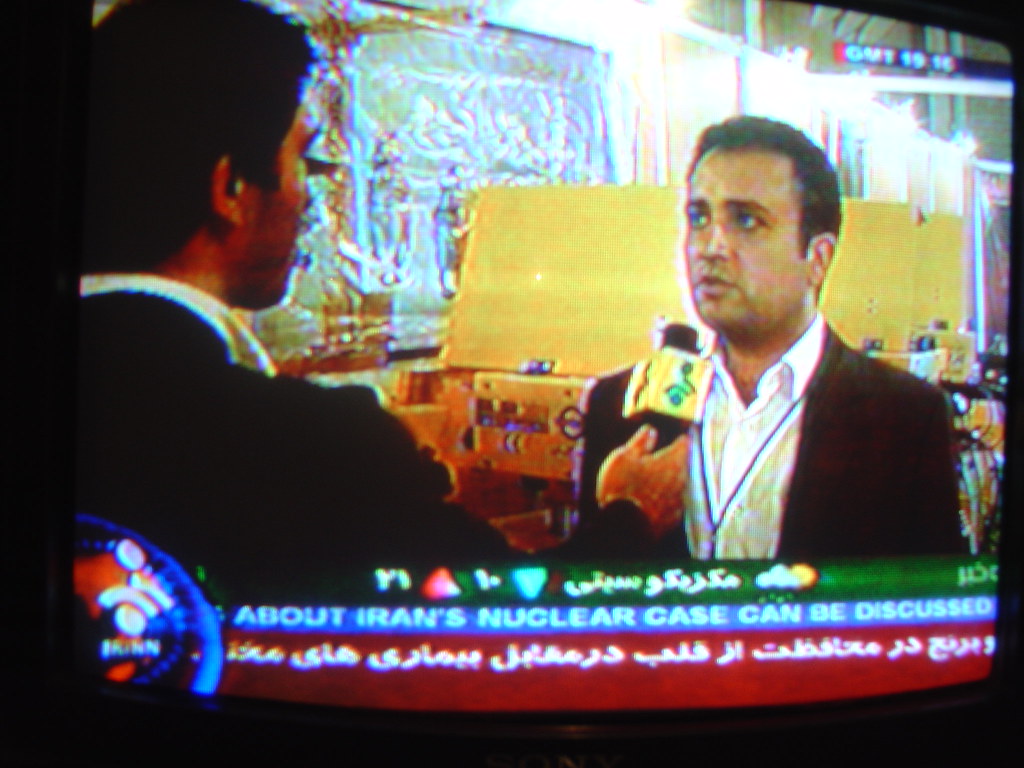
Iran US talks are underway, with the Iranian Foreign Minister describing the US outreach as a positive step. This development comes as a delegation meets in Qatar to discuss ongoing diplomatic efforts.
Background of Iran US relations
The diplomatic relationship between Iran and the United States has been marked by decades of tension and conflict. Since the 1979 Iranian Revolution, which resulted in the overthrow of the Shah and the establishment of the Islamic Republic, relations have soured, leading to a series of sanctions, diplomatic isolation, and military confrontations.
In recent years, there have been sporadic attempts to thaw these relations, with varying degrees of success. The Joint Comprehensive Plan of Action (JCPOA) in 2015 represented a significant breakthrough, as it involved negotiations aimed at limiting Iran’s nuclear program in exchange for the lifting of sanctions. However, the US withdrawal from the agreement in 2018 under the Trump administration escalated tensions once again.
Currently, the ongoing Iran US talks in Qatar signal a renewed effort to engage diplomatically. Iranian Foreign Minister Hossein Amir-Abdollahian described the US outreach as a “positive step,” highlighting the potential for dialogue to resolve ongoing disputes. This engagement comes amid heightened concerns over nuclear proliferation and regional stability, with both nations recognizing the importance of addressing these issues through conversation.
As these talks progress, the international community watches closely, hopeful for a resolution that could lead to a more stable and cooperative relationship between Iran and the US.
Current status of talks in Qatar
The current status of the Iran US talks in Qatar has garnered significant attention, as both nations engage in discussions aimed at easing tensions and fostering diplomatic relations. The Iranian Foreign Minister has characterized the US outreach as a positive step towards improving bilateral ties.
Delegations from both countries have been meeting in Doha, focusing on a range of issues including:
- The potential revival of the 2015 nuclear agreement.
- Regional security concerns and stability in the Middle East.
- Humanitarian issues affecting citizens in both nations.
While the atmosphere surrounding the talks has been cautiously optimistic, challenges remain. Observers note the importance of the following:
- Maintaining open lines of communication to prevent misunderstandings.
- Addressing the deep-rooted mistrust that has historically characterized Iran US relations.
- Balancing domestic political pressures that may influence negotiations.
As discussions continue, both Iran and the United States appear committed to exploring avenues for dialogue. The outcome of these talks in Qatar may set the stage for future engagements and possibly reshape the landscape of international relations in the region. The focus remains on fostering a mutual understanding that could lead to lasting peace.
Reactions from international community
The international community has reacted positively to the ongoing Iran US talks taking place in Qatar. Many analysts believe that this diplomatic engagement could pave the way for a more stable and cooperative relationship between the two nations.
Countries across the globe have expressed their hopes that these discussions will lead to a more peaceful resolution of long-standing tensions. Key reactions include:
- European Union: The EU has welcomed the talks, stressing the importance of dialogue in resolving conflicts. A spokesperson noted that “all parties must remain committed to constructive discussions.”
- Russia: Russian officials have indicated their support for the Iran US talks, highlighting the need for a balanced approach to security in the region. They emphasized that “engagement is preferable to confrontation.”
- China: China has called for the US to adopt a more flexible stance, urging both sides to work towards a comprehensive agreement that addresses mutual concerns.
Additionally, regional players have been closely monitoring the developments. A senior official from a Gulf state remarked, “This is a crucial moment for Iran and the US, and we hope it leads to meaningful outcomes that benefit the entire region.”
As the Iran US talks continue, the world watches with anticipation, hoping for a breakthrough that could reshape diplomatic relations for years to come.
Key players in the negotiations
The ongoing Iran US talks have seen the involvement of several key players, each playing a pivotal role in shaping the diplomatic landscape. Among the most significant figures are:
- Hossein Amir-Abdollahian: The Iranian Foreign Minister has been a crucial voice, advocating for Iran’s interests while emphasizing the importance of dialogue. He has characterized the recent US outreach as a positive step towards rebuilding trust.
- Antony Blinken: The US Secretary of State represents the American side, focusing on strategic negotiations aimed at addressing concerns surrounding Iran’s nuclear program. His engagement signals a willingness to explore avenues for diplomacy.
- Qatari Officials: Hosting the talks in Doha, Qatari diplomats have facilitated discussions, acting as intermediaries to ensure a productive environment. Their neutral stance is vital in bridging gaps between the two nations.
- International Observers: Various global stakeholders have also been monitoring the negotiations closely. Their input and influence may shape the outcomes, particularly in relation to sanctions and regional security.
As these key players navigate the complexities of the negotiations, the potential for progress remains, with both sides expressing a cautious optimism for future relations.
Future implications of the talks
The recent Iran US talks in Qatar have sparked discussions about the future implications of these diplomatic efforts. As both nations engage in dialogue, the potential outcomes could reshape not only their bilateral relations but also the dynamics of the broader Middle East.
Analysts suggest that a successful negotiation could pave the way for:
- Enhanced Economic Cooperation: Improved relations may lead to economic partnerships, which could boost trade and investment opportunities.
- Regional Stability: A thaw in tensions could foster a more stable environment in the region, with less likelihood of conflict and a collaborative approach to shared challenges.
- Strategic Alliances: Future talks might encourage Iran and the US to align on certain geopolitical issues, strengthening their respective positions in international forums.
Moreover, should progress continue, it could influence other nations involved in the negotiations, prompting them to reconsider their strategies and alliances. The groundwork laid during these Iran US talks may also inspire future diplomatic initiatives, encouraging a more collaborative approach to global security.
However, the path forward remains uncertain. Skepticism persists on both sides, and achieving lasting change will require sustained commitment and goodwill. The ongoing discussions in Qatar mark a crucial step in what could be a transformative journey for Iran and the US.
Challenges faced in diplomacy
The ongoing Iran US talks have been marked by several challenges that could hinder progress towards a sustainable diplomatic relationship. One of the primary obstacles is the deep-seated mistrust between the two nations, which has been exacerbated by years of sanctions and military confrontations. Both sides often approach negotiations with skepticism, making it difficult to reach common ground.
Another significant challenge is the internal political landscape within both countries. In Iran, hardliners may resist any form of engagement with the US, fearing it could undermine their power and influence. Similarly, in the US, there are factions that oppose negotiations with Iran, advocating for a more confrontational approach to its nuclear ambitions and regional activities.
Additionally, external pressures from allied nations can complicate the negotiating process. Countries in the region, particularly those wary of Iran’s influence, often express concerns about the potential outcomes of these discussions. This creates a complex web of interests that negotiators must navigate carefully.
Despite these challenges, there is a sense of cautious optimism among some diplomats. They believe that if both parties can commit to ongoing dialogue and find ways to address each other’s concerns, the Iran US talks could eventually lead to a more stable and constructive relationship.
Iran’s perspective on US outreach
Iran’s Foreign Minister has expressed a cautiously optimistic view regarding the recent outreach from the United States, labeling it a “positive step” in the ongoing Iran US talks. This sentiment reflects a significant shift in tone from previous months, where tension and mistrust dominated the dialogue between the two nations.
During the ongoing discussions in Qatar, Iranian officials have emphasized the importance of direct communication. They believe that open channels could pave the way for reducing hostilities and fostering a more cooperative relationship. The Foreign Minister noted that constructive talks could lead to mutual understanding and potentially resolve longstanding issues.
Key points from Iran’s perspective include:
- Commitment to Diplomacy: Iran is keen to engage in negotiations that prioritize diplomatic solutions over military confrontations.
- Recognition of Sovereignty: Iranian officials stress that any discussions must respect Iran’s sovereignty and territorial integrity.
- Economic Considerations: The Iranian economy has faced significant challenges due to sanctions, making economic stability a priority in these talks.
Despite the positive remarks, there remains a cautious approach from Tehran. Officials maintain that any steps taken by the US must be matched with genuine actions that demonstrate a commitment to altering the current diplomatic landscape. As negotiations continue, both sides are watching closely to see if these talks can lead to a lasting resolution.
Conclusion on diplomatic efforts
In conclusion, the ongoing Iran US talks in Qatar represent a significant moment in the evolving diplomatic landscape between the two nations. The Iranian Foreign Minister has characterized the US outreach as a “positive step,” which highlights a willingness on both sides to engage in dialogue, despite the complexities surrounding the issues at hand. This shift may potentially pave the way for a more stable and constructive relationship.
As both countries navigate through their historical tensions, the discussions in Qatar aim to address various concerns, including nuclear programs and regional security. Moreover, the international community is closely monitoring these developments, emphasizing the need for a multilateral approach to ensure lasting peace in the region.
The prospects of these talks are not without challenges, as entrenched positions and mutual distrust persist. However, the commitment to diplomacy demonstrated by both Iran and the US could serve as a foundation for future negotiations and agreements. Continued engagement may lead to incremental changes that could eventually foster a more harmonious relationship.
Ultimately, the outcome of the Iran US talks will likely shape not only bilateral relations but also the geopolitical dynamics of the Middle East. As the world watches, the hope remains that these diplomatic efforts will yield fruitful results for both nations and the region as a whole.
The recent Iran US talks have sparked optimism among diplomats and analysts alike. Many believe that these Iran US talks could pave the way for a more stable relationship in the future.
By Ensie & Matthias via Openverse
Sources
Related reading
