
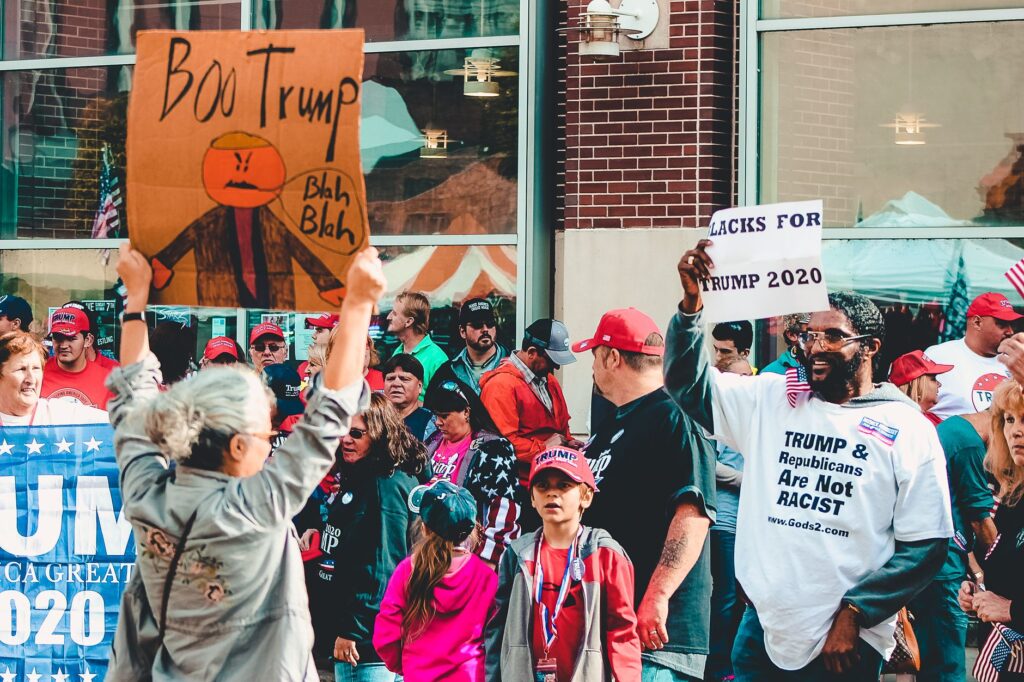
Trump officials pursuit of Rep. Omar has sparked outrage among many. Former President Obama emphasizes that this should concern all Americans, highlighting the importance of political integrity and justice.
Obama’s Statement on Trump Officials
Former President Barack Obama has spoken out against the Trump officials’ pursuit of Representative Ilhan Omar, calling it a troubling development for American democracy. In his recent statement, Obama emphasized that such actions should “outrage all Americans,” highlighting the need for unity in the face of political divisiveness.
Obama’s remarks come as tension continues to escalate between Trump officials and Omar, a member of Congress known for her progressive views and outspoken criticism of the previous administration. The former president expressed concern that targeting elected officials based on their political beliefs undermines the core values of democracy.
He stated, “We cannot allow our political discourse to devolve into personal attacks and intimidation. Representative Omar is a duly elected official, and her right to speak freely must be protected.” The pursuit of Rep. Omar by Trump officials has raised questions about the ethical implications of such tactics and their impact on the political landscape.
Many Americans share Obama’s sentiment, believing that focusing on political disagreements rather than personal pursuits could foster a more constructive dialogue among differing viewpoints.
The Impact of Political Pursuits
The ongoing pursuit of Rep. Omar by Trump officials has sparked significant debate across the political spectrum. Critics argue that this relentless focus on Omar is not only a distraction from pressing national issues but also a dangerous precedent for political targeting.
Many believe that such actions embolden divisive politics and undermine the democratic process. Obama’s recent statement highlighted that the pursuit of individuals based on their political affiliations should outrage all Americans, drawing attention to the ethical implications of targeting lawmakers.
Supporters of Rep. Omar contend that this pursuit is an attempt to silence diverse voices in Congress. They argue that it could have a chilling effect on future political discourse, where representatives may fear retribution for their views.
In contrast, proponents of the Trump officials’ strategy maintain that accountability is necessary for public figures. They believe that the pursuit of Rep. Omar is justified if it serves the purpose of transparency and integrity in government.
Ultimately, the impact of political pursuits like this one will likely ripple through the political landscape, raising questions about the future of bipartisan cooperation and respect within U.S. governance.
Public Reaction to Omar’s Treatment
The treatment of Representative Ilhan Omar by Trump officials has sparked significant public reaction, with many Americans expressing their concerns over the implications of such pursuits. The former President’s administration’s focus on Omar has drawn the ire of various groups who feel that these actions are politically motivated and detrimental to democratic values.
On social media platforms, numerous users have voiced their solidarity with Omar, highlighting a range of perspectives:
- Support for Omar: Many have rallied behind the congresswoman, praising her resilience and calling for unity against perceived injustice.
- Concerns about Political Targeting: Critics argue that the pursuit of Rep. Omar by Trump officials represents a troubling trend of targeting individuals based on their political beliefs.
- Calls for Accountability: Activists are demanding that officials be held accountable for their actions, urging citizens to remain vigilant in defending their representatives.
As Obama stated, the pursuit of Rep. Omar should “outrage all Americans,” reflecting a growing sentiment that political targeting undermines the democratic process. The public’s response underscores the need for discussions on fairness and integrity in politics.
Legal Implications of the Pursuit
The legal implications of the Trump officials’ pursuit of Rep. Omar are complex and could set a significant precedent for future political actions. Critics argue that this pursuit may be seen as a misuse of governmental power, potentially infringing on the rights of elected officials. Legal experts have pointed out several concerns, including:
- Potential Violation of Congressional Immunity: Members of Congress enjoy certain protections while performing their duties, and the aggressive pursuit of Rep. Omar could be interpreted as an attack on legislative independence.
- First Amendment Considerations: The pursuit raises questions about free speech and political expression, especially when it targets specific individuals based on their views or actions.
- Precedent for Future Actions: If successful, this pursuit may embolden future administrations to target political opponents, raising concerns about the politicization of legal processes.
As the situation unfolds, legal analysts will be closely monitoring how these implications develop and what they mean for the broader political landscape. The fallout from the Trump officials’ pursuit of Rep. Omar could resonate for years, affecting both public trust and institutional integrity.
Comparing Historical Political Actions
Throughout American history, political figures have often faced scrutiny and pursuit from their opponents, but the tactics employed have evolved significantly. Comparing the current situation surrounding Trump officials’ pursuit of Rep. Omar to earlier instances reveals some striking similarities and differences.
In the 1950s, during the McCarthy era, many politicians found themselves targeted in a campaign fueled by fear and suspicion. This period saw accusations and investigations that often blurred the lines of legality and propriety, much like the current pursuit of Rep. Omar. The motivations behind such actions were often rooted in political gain rather than genuine concern for national integrity.
Similarly, the Watergate scandal highlighted how political rivalries could lead to unethical behavior and an erosion of trust in government officials. The pursuit of Rep. Omar raises questions about whether these tactics represent a necessary check on power or a dangerous precedent that could undermine democratic values.
Ultimately, as history has shown, the consequences of such political pursuits can extend far beyond the individuals involved, impacting the fabric of American democracy itself.
What Experts Say About This Situation
Experts are divided on the implications of the Trump officials’ pursuit of Rep. Omar, with many expressing concern over the potential consequences for political discourse in the United States.
Dr. Emily Carter, a political analyst, argues that this pursuit represents a troubling trend in American politics. She stated, “Targeting individuals based on their political beliefs, especially those from marginalized communities, undermines the very foundation of democracy.”
Conversely, some commentators believe this pursuit could galvanize support for Rep. Omar. Political strategist Mark Johnson noted, “As Trump officials continue their attacks, it may inadvertently strengthen her base, as people rally against perceived injustice.”
Furthermore, a recent survey by the National Political Institute revealed that 57% of respondents view the pursuit as a political maneuver rather than a legitimate investigation. This sentiment reflects a growing frustration among the public regarding partisan conflicts.
Ultimately, experts warn that the Trump officials’ pursuit of Rep. Omar may set a dangerous precedent, potentially leading to heightened polarization and diminishing the civility expected in political engagement.
The Role of Media in Political Affairs
The current political climate has seen an increasing intertwining of media and political affairs, particularly in the context of the Trump officials’ pursuit of Rep. Omar. Media coverage plays a crucial role in shaping public perception and influencing political narratives.
News outlets often amplify the actions and statements of political figures, which can lead to heightened scrutiny and polarized opinions among the public. For instance, the recent remarks by former President Obama, where he stated that the pursuit of Rep. Omar should “outrage all Americans,” have sparked widespread discussion. This highlights how media can act as a catalyst for public discourse.
- Media as a watchdog: Journalists investigate and report on political actions, holding officials accountable.
- Influence on public opinion: Coverage can sway how the electorate views political figures and their actions.
- Framing narratives: The way stories are presented can significantly affect public perception, either supporting or criticizing political maneuvers.
In this context, the role of media cannot be understated, as it serves both to inform the public and to shape the political landscape.
Future of Political Accountability
The future of political accountability is increasingly in question as the Trump officials’ pursuit of Rep. Omar raises concerns about the lengths to which political figures will go to target their opponents. Many argue that this kind of behavior sets a dangerous precedent that could undermine the democratic process.
As political polarization deepens, the expectation of accountability becomes ever more critical. It is essential for lawmakers to operate with integrity and transparency, ensuring that they are held responsible for their actions. The pursuit of political figures, particularly those from marginalized communities, can lead to a chilling effect on free speech and dissent.
In light of recent events, some advocate for a reevaluation of the mechanisms of accountability within politics. There is a growing call for systems that protect individuals from politically motivated attacks while still allowing for legitimate scrutiny of officials’ actions. The discourse surrounding the Trump officials’ pursuit of Rep. Omar highlights the need for a more balanced approach to political accountability, where the focus remains on constructive dialogue rather than personal vendettas.
Ultimately, the future of political accountability will depend on the collective response from both the public and political leaders as they navigate these complex issues.
The Trump officials pursuit of Rep. Omar raises questions about the motivations behind such actions. Critics argue that the Trump officials pursuit of Rep. Omar could backfire and galvanize support for her within her constituency.
Photo by Rosemary Ketchum on Pexels
Read the original
You might also like
Is the SCO Meeting Tajikistan a Worthwhile Opportunity? · Chirag Paswan’s Congress prediction: Is it the worst outlook? · SS Rajamouli praises Ramayana: The Best Grand Scale Film
